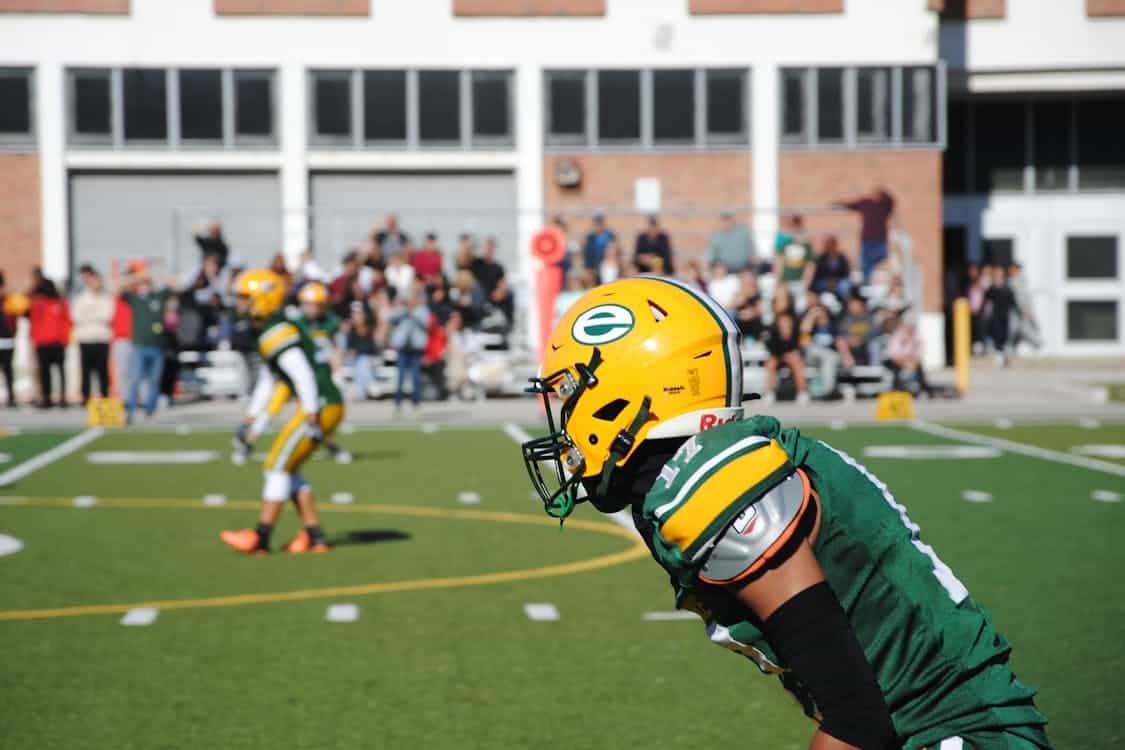
The best playbooks are living documents that bend without breaking when the opponent throws a curve ball. Start with a clear philosophy and a small set of core plays that cover many situations so the team can execute under pressure.
Over time add variations that share common keys so reads and checks stay familiar for every player.
Establishing Core Principles
A flexible playbook begins with a few central principles that guide every call and every rep, such as attack space, mask the true intention, and protect the quarterback.
One of the first things coaches should install that explains each player’s responsibility is the idea of shared language, where terminology connects plays across all positions.
This ensures that everyone, from linemen to receivers, is on the same page at all times. Choose base concepts that repeat across run and pass so players learn patterns rather than isolated plays, which helps when the defense disguises.
Make sure terminology ties similar actions together so a change to the opponent plan does not force a total relearn. Rely on muscle memory and clear verbal cues so adjustments in the heat of battle feel natural.
Studying Opponent Tendencies
Film study is not a chore but a treasure trove of predictable habits, weak formations, and telltale cues that give you leverage on game day. Break tape into short clips focused on down and distance, personnel group, and how they react to motion or tempo shifts to find repeatable edges.
Focus on high frequency patterns while leaving room for odd plays that might pop up, which lets you plan responses without being rigid. Build a simple scouting language that coaches and players can use quickly before each series so adaptation is fast.
Flexible Formations And Personnel Packages
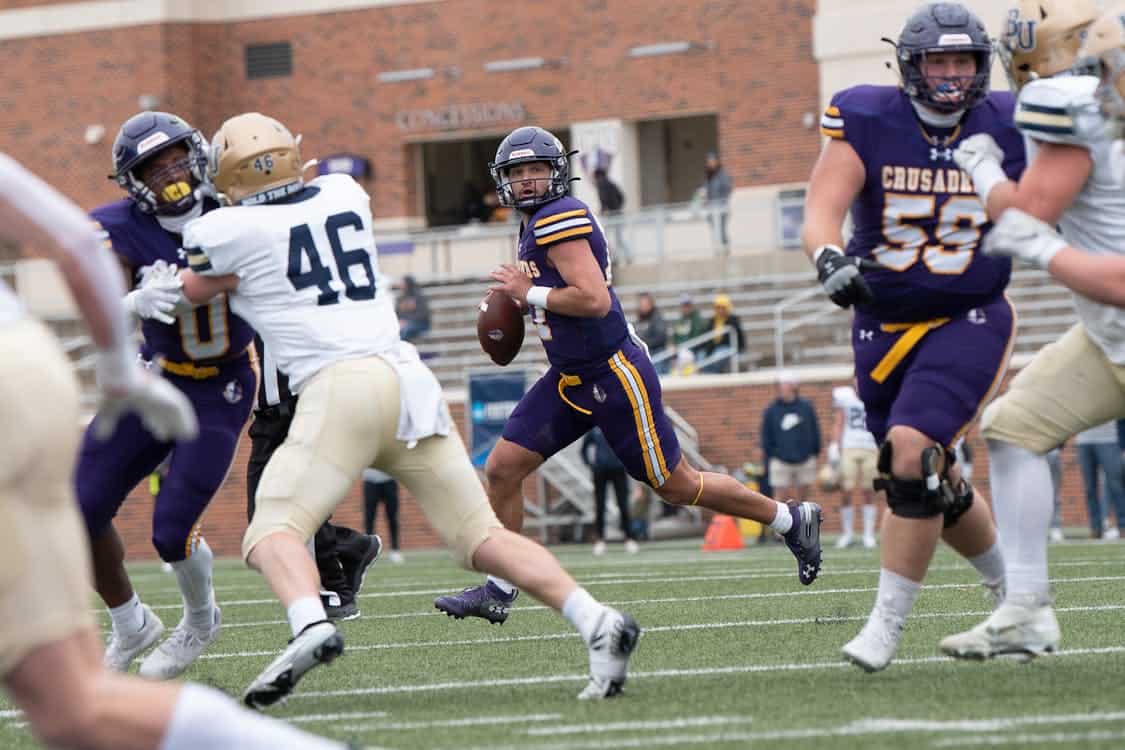
Design sets that can morph pre snap to disguise intent yet still flow from the same core alignment, keeping the defense guessing about your true plan. Train multiple players to fill similar roles so injuries or mismatches do not force a wholesale schematic change.
Use groupings that create natural reads for quarterbacks and keys for blockers, so transitions feel like small edits instead of new chapters. When players can slide into different spots and keep the same read rules the offense maintains momentum under pressure.
Play Design For Multiple Reads
Good plays offer options rather than single outcomes, giving quarterbacks and runners choices based on real time defensive reactions instead of a blind script. Build routes and blocking schemes that share initial steps, creating overlap that lets a single look become several viable decisions.
Emphasize option friendly rules so a defender who bites early simply opens a different lane or target, turning a threat into a reward. Practice those read progressions until they are second nature so in tight windows the right call surfaces quickly.
Practice Structures That Build Adaptability
Reps should train the unexpected: quick tempo sessions, scripted trick plays spread into normal periods, and sudden changes in personnel during live work so players learn to adjust on the fly. Rotate who calls an audible in practice to develop multiple leaders who can see the field and make choices without freezing.
Use short sharp segments that replicate pressure and then pause for corrective feedback so learning is fast and sticky. Conditioning the brain to handle surprise is as important as training the body to run an assignment.
Game Day Decision Making
A coach must filter noise and choose calls that fit both the plan and what the players are doing well that afternoon, not a rigid sheet. Keep a small play list for each quarter that maps to opponent tendencies and to how your team is executing, which lets the call sheet breathe.
Be willing to stay patient when an opponent disrupts rhythm and then strike when a mismatch opens up, the old adage about waiting for the other shoe to drop can be useful here. Trust the players who have earned confidence from practice and let them make reads that align with your core rules.
Data And Video Integration
Numbers and clips should support instincts rather than replace them, with play frequency charts that highlight high value looks and short video banks that show quick examples for each series. Tag clips by situation so coaches and players can pull a two minute reel for any scenario, saving brain space when time is tight.
Use simple metrics like success rate on first down and yardage after contact to shape what plays you call in obvious spots. When analytics and coach feel agree it creates a clear path; when they diverge use small tests to find which wins on the field.
Culture And Communication
A resilient playbook relies on a team culture that values shared responsibility, where mistakes in practice are treated as learning tickets rather than reasons to point fingers.
Build common language for quick adjustments and allow players to offer observations without fear, which speeds recognition and shortens the chain from sight to action.
Celebrate simple execution as much as highlight reel plays so the group learns that doing the basics well is the fastest route to creating chances. When everyone speaks the same brief code and trusts it on Sunday the whole system moves faster and cleaner.
Preparing For Special Situations
Late clock management, sudden weather shifts, and short yardage battles each demand small sets that are drilled often so muscle memory replaces panic in those minutes. Keep a handful of go to plays for each critical situation and practice them under simulated pressure with fans or noise so the calm is real when it counts.
Teach players to read the subtle signals of opponent fatigue or alignment quirks and to act on them in real time without waiting for a coach. Those practiced micro decisions stack up and often decide close games.