
Every cat thrives when care is steady, thoughtful and tuned to its habits. A pet care plan for cats supports their long-term wellbeing through regular vet visits, preventative treatments, and health monitoring designed specifically for feline needs.
It helps catch potential issues early while ensuring cats receive consistent care in a low-stress, manageable way. Those small changes often point to treatable issues long before they grow into major problems.
1. Regular Veterinary Care And Preventive Health
Routine veterinary visits give an opportunity for early detection of illness, vaccine updates and personalized advice that matches each cat s needs. Many conditions are subtle at first and a trained eye can catch changes a pet parent might miss, which leads to interventions that preserve quality of life.
A vaccination schedule, parasite testing and targeted blood work form a backbone for long term care and provide data to guide treatment choices. Plan visits by life stage, with more frequent checks for kittens, seniors and any cat with chronic health concerns.
Dental health is often overlooked yet plays a major role in overall condition, appetite and comfort levels that affect daily behavior. Professional cleanings along with gentle at home brushing reduce pain, infection and the slow decline that silent dental disease brings.
Keep a simple health record that notes vaccine dates, medications and any behavior shifts you observe, and share that file with your clinic for continuity of care. A microchip and current ID tag save precious time if a cat slips out and allow a clinic or rescuer to reunite pet and family quickly.
2. Balanced Nutrition And Feeding Routine
Quality food matched to age, activity level and any medical needs supplies the nutrients a cat requires for energy, coat health and organ function without empty calories.
Portion control and scheduled meals help maintain ideal weight and avoid the metabolic ups and downs that follow irregular feeding and overindulgence.
Treats are fine in small amounts but should not replace complete meals or tip the calorie balance, which can lead to extra pounds and joint stress. Free feeding works for a few cats yet many thrive on measured servings and predictable mealtimes that fit the household rhythm.
Hydration deserves attention because cats often drink less than they should, and fresh water plus wet food can boost total intake to healthy levels.
If a cat has allergies, kidney concerns or weight issues speak with your veterinarian about a food plan specific to that animal, one that uses ingredient choices and calorie targets to support recovery or long term health.
Special formulas can make a big difference for sensitive stomachs, urinary health or metabolic conditions that need precise nutrient profiles. Introduce any diet change slowly over a week and watch stool and appetite as you move from one product to another.
3. Mental Enrichment And Play
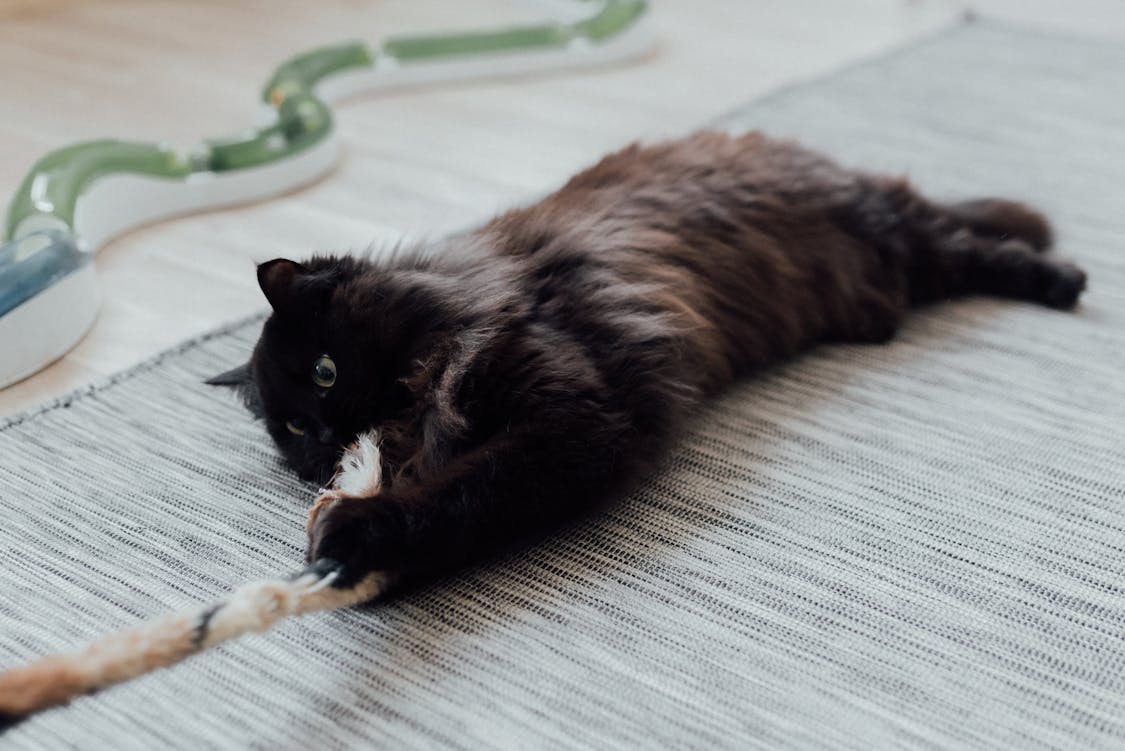
Indoor life can leave a restless mind if stimulation is missing, and boredom is a common culprit behind unwanted behavior that strains the human feline bond.
Interactive play, puzzle feeders and short training sessions tap into chasing, stalking and problem solving instincts and reward cats for effort and attention.
Rotate toys, add safe perches and mimic chase and pounce sequences to keep sessions fresh, engaging and linked to positive outcomes for both cat and caregiver. Even brief daily interaction beats long gaps of neglect and builds trust that makes handling, vet visits and grooming less of a trial.
Social needs differ between individuals, so watch body language to find the right balance between company and quiet time for a given pet. Outdoor options such as leash walks or a fenced cat patio provide variety with fewer street hazards while leaving the cat s health intact.
Nose work games that hide treats around the home provide mental fatigue that helps with bedtime relaxation and reduces restless pacing. Praise, consistency and small rewards create positive associations and make learning household rules less of a tug of war.
4. Safe Environment And Home Setup
A secure indoor space removes many hazards that threaten free roaming felines and cuts the chances of trauma from traffic, predators or other animals.
Window perches, tall shelves and scratching surfaces answer an urge to climb and mark territory while protecting furniture and keeping exercise opportunities close at hand.
Remove toxic plants, secure power cords and lock detergents and chemicals out of reach to lower the risk of accidental poisoning and injury. Open doors and unscreened windows are frequent escape routes, so check exits and add barriers where needed to keep a cat safe at home.
Litter setup matters more than many owners expect, and a common rule is one box per cat plus one extra to reduce competition and stress around elimination. Locate boxes in quiet spots away from noisy appliances and meal areas so privacy is respected and avoidance does not develop into an issue.
Use non slip mats, stable furniture and cordless window treatments to limit hazards for playful paws that dart and leap without warning. Keep climate control comfortable and create cozy resting spots at different heights to accommodate kittens, adult cats and seniors through seasonal shifts.
5. Grooming And Hygiene Practices
Regular brushing removes loose hair and reduces hairballs while keeping the coat healthy without resorting to harsh products that irritate the skin. Nail trims, ear checks and baths when needed support comfort and lower the chance of snag injuries or infections that start small and spread.
Oral care belongs in any plan because plaque builds quietly and dental disease can lead to pain, appetite loss and wider health effects. Introduce grooming routines gently and pair them with calm handling plus small rewards so the cat links care with safety and comfort.
Clean litter boxes at least once a day and wash trays on a regular schedule to cut down on odor, bacteria and aversion to using the box. Spot clean bedding and wash food dishes often to keep the house fresh and to reduce skin or digestive issues tied to grime.
If you spot persistent scratching, hair loss or odd smells seek a veterinary assessment to rule out parasites, allergies or skin disease that require prompt attention. A steady, predictable grooming plan makes hygiene feel like part of living together and keeps stress low for both cat and caregiver.