
Plumbing trouble can quietly drain your bank account while you sleep, and the worst part is that the warning signs often look harmless at first. A faint wet spot on a ceiling or the faint hiss of a meter can be the tip of the iceberg before a full blown disaster hits.
Spotting early clues and acting fast can save you from a bill that makes you wince every time you open an envelope. The items below describe common failures, how they escalate, and why a timely fix is rarely a waste of money.
Hidden Slab Leaks
Water lines under concrete slabs can develop tiny hairline cracks that leak for months without obvious signs on the surface. Over time the constant moisture erodes soil and undermines foundations, and that slow movement can push repair bills into the thousands when concrete breaking and pipe rerouting become necessary.
Detection often requires specialist equipment and a careful approach so that repairs are targeted and not wildly invasive. Fixing a slab leak early keeps structural risk low and restores peace of mind fast.
Corroded Galvanized Pipes
Old galvanized piping corrodes from the inside out and can clog or split without dramatic warning signs until flow collapses. Sediment builds up, pressure spikes in weak spots, and sudden bursts or pipe failures can flood walls and floors and ruin finishes in a heartbeat.
Replacing aging pipe systems is not cheap, but a phased plan that swaps sections over time reduces the shock of a single huge bill. Upgrading to modern materials often improves water quality and decreases long term maintenance headaches.
Tree Root Intrusion Into Sewers
Tree roots are relentless when they sense moisture and nutrients, poking through tiny gaps in sewer joints and then widening them with time and pressure. A local clog can turn into a collapsed line and sewage can back up into basements or yard drains, creating health risks and repair costs that balloon quickly.
Modern repair methods include trenchless pipe lining or sectional replacement which save landscaping and reduce surface damage. Keeping large trees away from sewer runs and having regular camera inspections can make a real difference.
Sewer Line Collapse And Backups
A crack or failure in the main sewer line will not respect property boundaries and it has a habit of showing up at the worst possible moment. Sewage backups are not only messy and hazardous but they frequently require complete line replacement, interior remediation, and professional cleaning that racks up a hefty tab.
Preventive camera inspections catch early signs of wear, sagging joints, and blockages that can be cleared before they fail catastrophically.
An indicator of a clogged sewer line might be slow drainage in multiple areas of your home, which, if left unchecked, could lead to a backup disaster. Ignoring small smells or slow drains is often what turns a minor annoyance into a major event.
Water Heater Sediment And Failure
Sediment collects at the bottom of storage water heaters and reduces efficiency while stressing the tank and heating elements over time. A neglected unit can fail suddenly, causing flooding or forcing a full tank swap, and units that leak can damage floors and nearby belongings in short order.
Flushing tanks annually and checking sacrificial anode rods helps prolong life and keeps bills lower in the long haul. Upgrading to a newer model can be a solid investment when the cost of repairs approaches replacement value.
Poorly Installed Fixtures And DIY Repairs
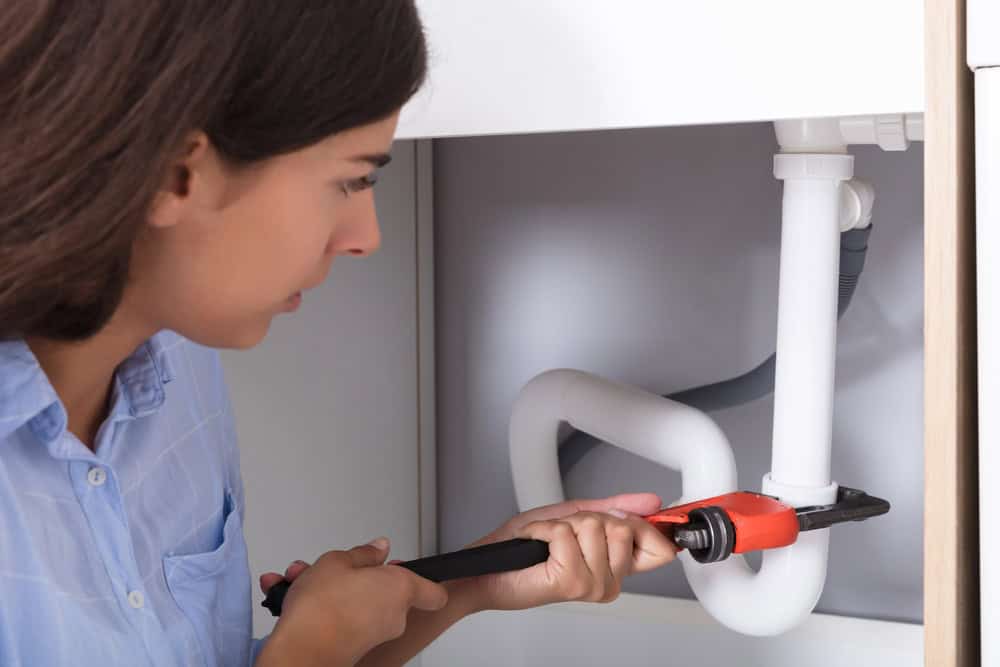
A faucet patched with the wrong fittings or a toilet mounted without proper sealing might hold for a season and then let go when you least expect it. Amateur repairs often use wrong sized parts or sealants that fail under real household use and can leave you with damp cabinets, ruined floors, or hidden rot.
Calling a licensed plumber early saves time and avoids repeated fixes that add up financially, and a proper installation comes with a clear warranty for peace of mind.
Leaky Or Running Toilets
A constantly running toilet is far from harmless, slowly wasting gallons hour after hour and inflating water bills in a way that sneaks under most radars. Minor parts like flappers or fill valves are cheap to swap, but if ignored the continuous flow can wear out seals or even damage surrounding flooring from condensation and overflow.
Fixing the mechanism takes little time for a pro and pays back quickly on monthly utility statements. If multiple fixtures behave the same way, look for pressure or supply line anomalies that point to a bigger issue.
Low Water Pressure From Pipe Scaling
Scale builds on the inside of pipes in hard water areas and shrinks the effective diameter so that flow drops and appliances work harder to do their job. Low pressure at many fixtures often signals distribution problems rather than a single clogged faucet, and replacing long stretches of old pipe or treating supply lines can restore normal flow.
Left unchecked, reduced flow stresses pumps and can shorten the life of water using appliances, adding up to replacement costs that sting. A measured approach that isolates problem segments yields the best balance between cost and performance.
Frozen And Burst Pipes
When pipes freeze in cold weather they expand and often crack where you least expect it, and the thaw that follows releases sudden torrents that flood living spaces. The damage from one burst pipe can mean ruined drywall, soaked insulation, mold growth, and long haul restoration work that totals serious dollars.
Preventing freezes with insulation and controlled heat or shutting off and draining outdoor lines in winter is cheap protection compared with the price of a major cleanup. Emergency repairs at night or on holiday rates are another hidden expense that can be avoided with foresight.
Sump Pump Failure And Basement Flooding
Sump pumps are the last line of defense for low lying basements and when they fail during heavy rain or spring thaw the result is standing water that ruins finished basements and stored items. A backup pump, battery power, or a secondary alarm can reduce the odds of disaster and stop a small leak from becoming a full scale restoration project.
Routine testing and occasional replacement of worn parts keeps the system reliable when you need it most. A small investment in redundancy pays off big when storm clouds gather and the ground goes soft.