There are many reasons why you might want to contact an electrician. From a problem with candlelight in your home to a major surge in the electricity, there can be quite a few reasons why you may need to contact an electrician.
In this article, we will cover the common electrical problems that can occur as well as when to contact an electrician. If you have any of these problems, it is recommended that you contact an electrician right away.
One of the most common reasons why you might want to contact an electrician is if you notice a flicker in your light fixture. There are two types of flickers: mechanical and chemical. The mechanical flicker can be caused by a loose soldered wire, which could be easy to replace.
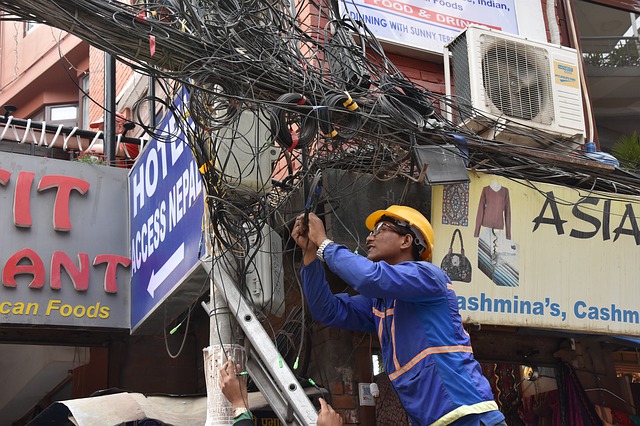
The chemical flicker can be caused by issues with the water or gas supply that is causing the flicker. Other common reasons for a flicker to occur are because of the age of the light fixture, or the wiring of the fixture. Before you contact an electrician, you should determine whether the flicker is due to one of these issues or something else.
One of the reasons why you would want to contact an electrician is if you noticed that you are losing electrical power to your home. There are several ways that you can test the integrity of your home’s electrical lines. One of these tests is a visual inspection of your house.
If you find that there is water or other standing water near your house or if you see some melted plastic near your electrical wires, you should consult an electrician. Sometimes, people notice that their lights flicker even when there is no electricity running through the house.
If you notice that your lights are flicking, you should try to find out why they are flicking. You could try testing the circuit breaker for electricity. If the circuit breaker is not tripped, then there might be a problem with the electrical panels in your home.
In many cases, the panel will have to be replaced, but if you notice that your lights continue to flicker, you should contact an electrician as soon as possible. Another issue that can cause your lights to flicker is if you have an electrical panel that is old and rusty.
Your electrician can replace the old electrical panel with a new one, which should fix the problem. Some older homes have an electrical upgrade, but the upgrade can sometimes conflict with the existing electrical panel. In this case, an electrician should be called.
Some other very common electrical issues that people have at home include having a broken water heater, a leaking faucet, an inoperable air conditioner, flickering lights, or poor electrical wiring. All of these issues can require you to contact an electrician to repair or replace your unit.
It’s important to call an electrician right away if you suspect any of these common electrical problems because problems with hot water heaters or leaks in your faucets can cause serious damage to your home and health.
There are a number of other warning signs that you need to be aware of when it comes to electrical problems in your home. Some of these warning signs include hearing noises when you turn on a light switch. You may also experience an increase in temperature when you turn some appliances on or off.
If you notice any of these problems, then you should contact an electrician as soon as possible. An electrician can check out all of the potential electrical problems in your home and determine whether they are serious or not.
Finally, you should always verify that your electrician is licensed, bonded, and insured before you work with him or her. Working with an unlicensed, uninsured, or bonded electrician could result in injury or death. It is best that you call a representative from 4G Electrician as soon as possible to handle the situation more safely.
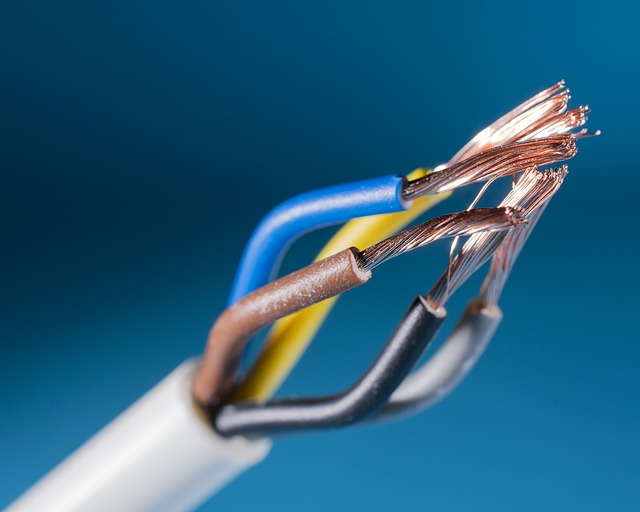
A faulty wiring system or loose wire can certainly result in injuries, so it’s important to make sure your electrician is insured. As you can see, working with an electrician isn’t as simple as flipping open the phone book or surfing the Internet.
Before you work with anyone, you should ensure that they are a professional who has been trained and is bonded.