
The insurance industry has been issuing the same warning for a few years now, and the numbers behind it keep getting larger. For Mississauga homeowners, the trend has quietly raised the bar on what a roof is expected to withstand, and on what it takes to keep that roof insured.
It is easy to tune out climate-and-insurance headlines as background noise. But the shift they describe is showing up in real terms, in deductibles, coverage conditions, and the standard a roof has to meet, which makes it worth a homeowner’s attention.
The decade-long climb
Insured losses from catastrophic weather and wildfires in Canada have nearly tripled over the past decade, climbing to $37 billion annually, with the number of claims almost doubling over the same period.
That is not a single bad year distorting the picture. It is a sustained, decade-long shift in how often and how hard severe weather strikes, and roofs are on the front line of nearly every weather claim. When the industry’s losses triple, the industry responds, and homeowners feel that response at renewal.
What it changes for homeowners
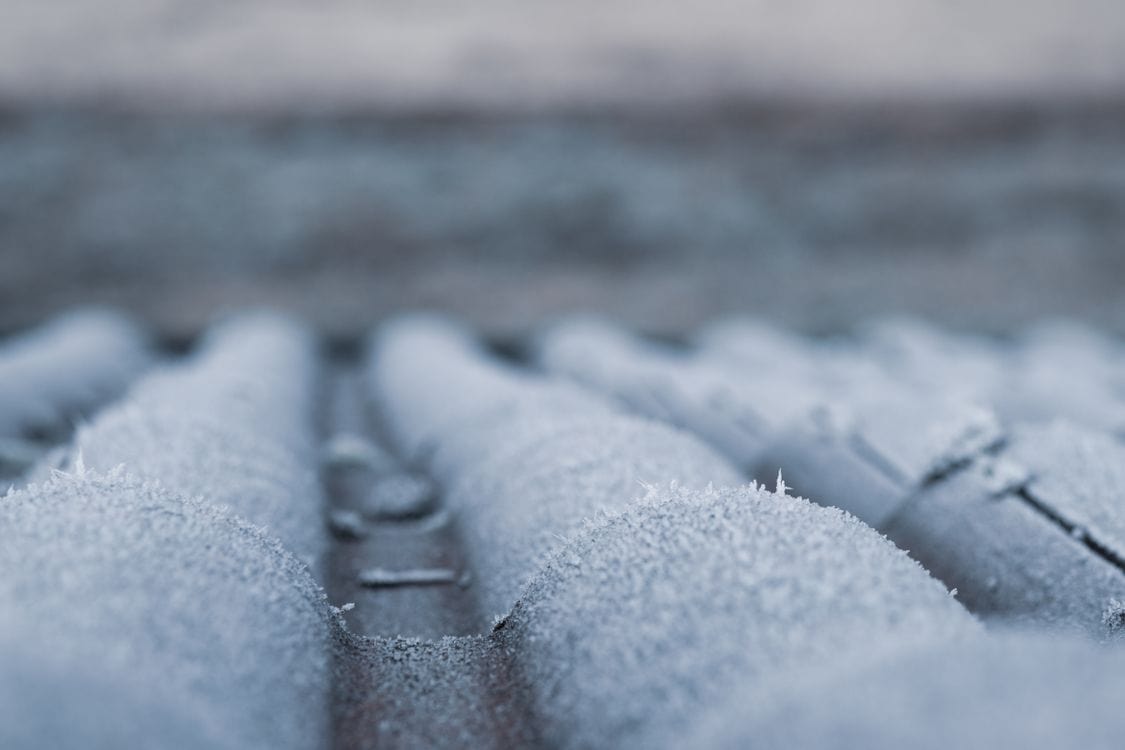
As losses mount, insurers tighten terms, and the standard a roof must meet to stay protected and insurable rises with them. A roof that was perfectly adequate a decade ago may not clear today’s bar, either in how it performs or in how an insurer views it.
The forces driving those claims, freeze-thaw cycles, wind, ice, and intense rain, are precisely the ones that expose a roof’s weak detailing. As they grow more frequent, the margin a marginal roof used to enjoy keeps shrinking, and the cost of a roof that fails under stress keeps rising.
The case for building to the harder standard
The sensible response is to build for the climate that is arriving, not the one that has passed. Proper attic ventilation, generous ice-and-water protection, robust flashing, and well-designed drainage are what let a roof meet tougher conditions without failing, and they are decisions made at installation.
Because those decisions are invisible once the roof is finished, the choice of installer effectively is the choice of resilience. In a tripling-loss climate the cheap roof is usually the expensive one, so hiring a firm with a real track record for the harder standard, rather than the lowest bidder, is the more rational long-term bet.
Resilience is the new baseline
The broader point is that what counted as a good roof is being redefined upward by the weather itself. Features that once seemed like optional upgrades, full ice-and-water coverage, careful ventilation, oversized drainage, are becoming the baseline for a roof that survives current conditions and satisfies a cautious insurer.
For a Mississauga homeowner, that argues for hiring on demonstrated quality and building a bit beyond the minimum. A roof built to last through the climate that is coming is also the roof most likely to stay affordably insured through it, which makes resilience not just a safety decision but a financial one.