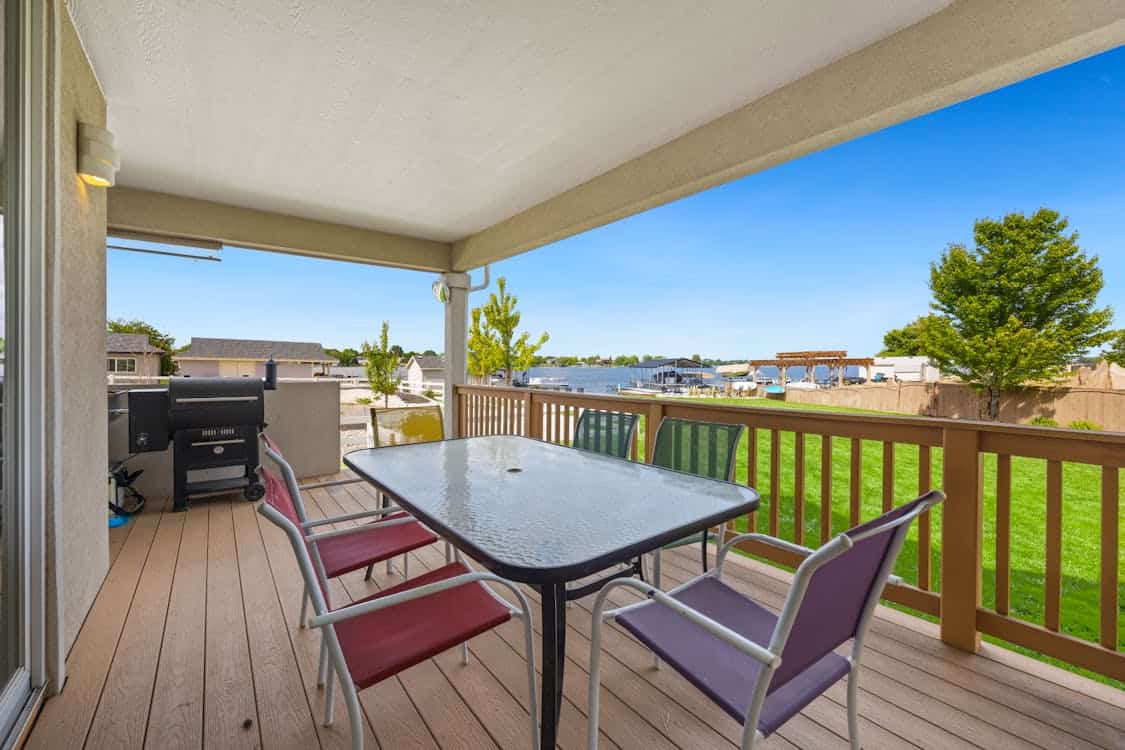

Most homeowners think about a patio cover in terms of comfort. It is the thing that makes the backyard usable in July, the shade that keeps the furniture from fading and the concrete from radiating heat well past sunset. That framing is about to get a financial companion.
A change to how NV Energy bills its customers takes effect this spring, and it quietly turns the question of backyard shade into a question about the monthly power bill. Anything that reduces how hard the air conditioner has to work during peak afternoon hours now has a dollar figure attached to it.
For a city where the back of the house bakes for most of the year, that reframing is worth understanding before the new charges start landing.
What the New Charge Actually Does
In September 2025, Nevada regulators approved a new rate design for NV Energy’s southern customers, and the most significant piece is a daily demand charge that begins in April 2026.
Unlike a normal rate that bills you for total energy used, a demand charge is based on your single highest period of usage. The utility calculates it from the heaviest 15-minute window of power draw each day, then bills against that peak.
The impact is not trivial. Consumer advocates warned that the new charge could add more than $30 to some monthly bills, depending on how concentrated a household’s energy use is.
The mechanism rewards spreading usage out and punishes sharp spikes. And in a Las Vegas summer, the sharpest, most predictable spike of all is the air conditioner straining against afternoon heat.
Why Shade Becomes a Line Item
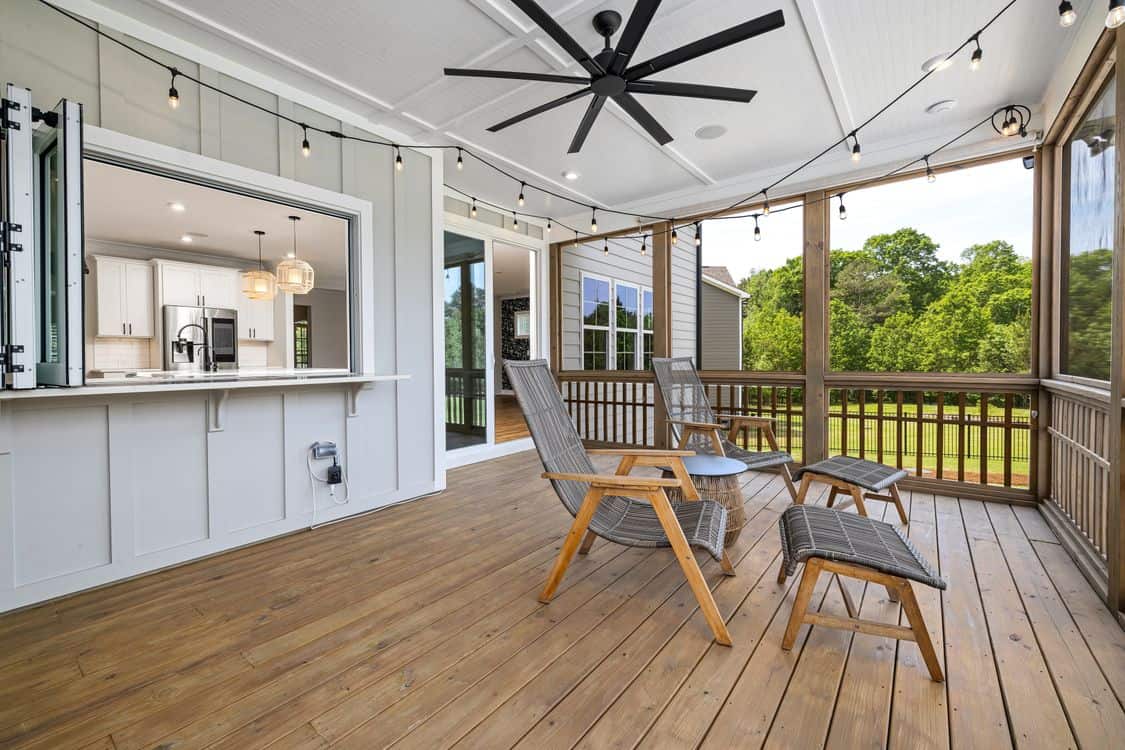
Here is the connection most homeowners miss. A demand charge is most painful precisely when everything runs at once, and nothing drives a household’s afternoon peak like an air conditioner fighting solar heat gain through walls, windows, and the back of the house.
That afternoon peak is exactly what a patio cover blunts. Shading the rear wall and the glass doors that face the yard reduces how much heat the house absorbs, which means the air conditioner cycles less hard during the precise window the new charge measures.
The effect is most direct with patio covers and awnings positioned over sun-facing walls and windows. Retractable awnings, which can be extended during the brutal afternoon hours and pulled back the rest of the day, map almost perfectly onto the problem a demand charge creates.
This is not a claim that a patio cover zeroes out a power bill. It is a more modest and more accurate point: under a demand-charge structure, reducing the afternoon cooling load has a clearer financial payoff than it did under the old flat-rate math.
How Las Vegas Homeowners Should Think About It
The practical move is to stop treating shade as purely an aesthetic or comfort decision and start treating it as part of the same conversation as the thermostat and the utility plan.
Orientation is the lever that matters most. A cover that shades the west- and south-facing walls and windows does more for the afternoon peak than one positioned purely for where people like to sit, so the cooling logic and the lifestyle logic are worth reconciling before building.
Material plays a role, too. Solid and insulated covers block more heat transfer than open lattice, and a fully shaded wall behaves very differently in the late-afternoon sun than one under a slatted structure that lets light through.
None of this means a homeowner should buy a patio cover as an energy product. It means that for someone already weighing one for comfort, the new billing structure tilts the math a little further toward acting, and toward designing the cover around the heat rather than only around the view.
The demand charge is going to make a lot of Las Vegas residents look harder at where their afternoon power goes. For many of them, a meaningful share of it is being spent fighting heat that a well-placed cover would have kept off the house in the first place.