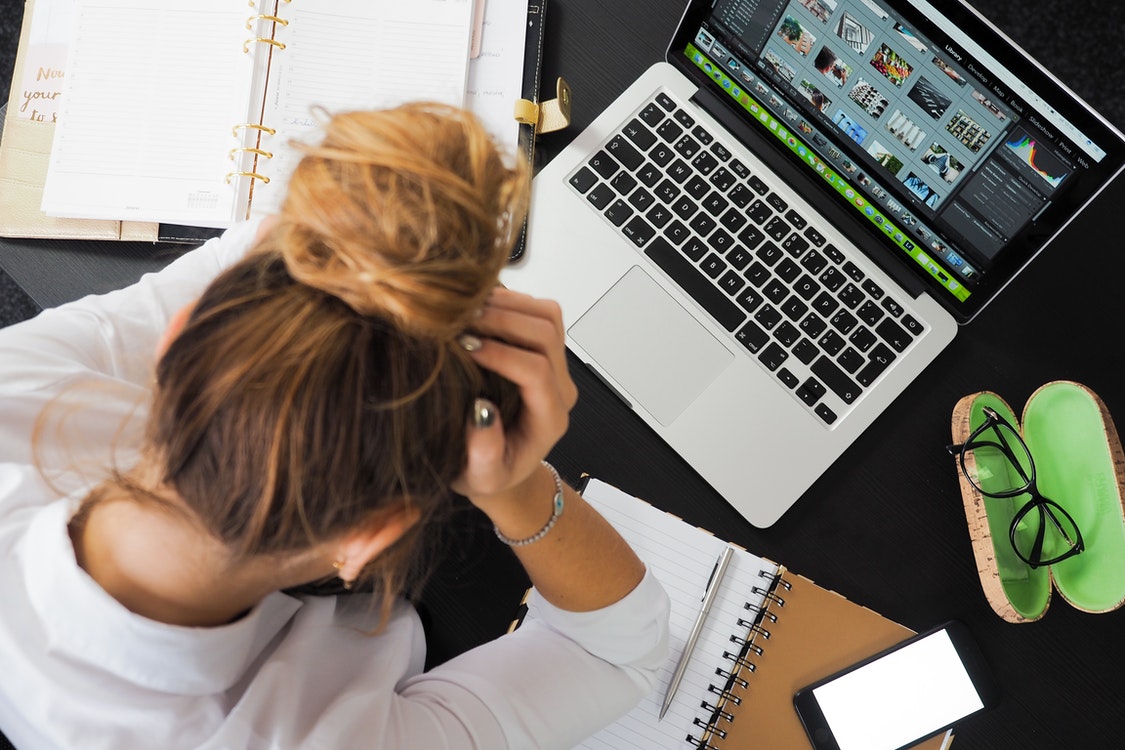

Every winter, the same scene repeats in offices everywhere. Someone shows up visibly unwell, insists they are fine, and proceeds to touch every shared surface between the door and their desk. A week later, half the team is out.
The instinct to power through illness is deeply ingrained in work culture, and it is expensive. Showing up sick does not keep productivity intact; it spreads the illness while delivering a fraction of the usual output.
The numbers are larger than most people imagine. Presenteeism, the practice of working while sick or impaired, costs U.S. businesses up to $150 billion annually, which is roughly ten times the cost of employees staying home. The person toughing it out is not saving anyone anything.
The Hidden Cost of Showing Up Sick
Absenteeism is visible and easy to measure. Someone is missing, the gap is obvious, and the cost is the work that did not get done. Presenteeism hides because the person is right there at their desk, logged in and apparently working.
But an impaired worker produces well below their normal level while still drawing a full salary, and the gap between what is paid and what is delivered accumulates invisibly across every department. The math is brutal precisely because it is hard to see.
The worse part is the contagion. A sick employee at a shared workspace becomes a distribution node, seeding the next round of illness through every surface they touch and every colleague they pass.
This is why illness clusters rather than spreading evenly. One person’s decision to come in sick can take down a whole team, turning a single case into a staffing crisis during the weeks an organization can least afford it.
Surfaces Are How the Spread Happens

Respiratory illnesses move through the air, but a large share of transmission happens through surfaces. Someone coughs into a hand, touches a keyboard, a desk, a shared mouse, and the next person picks up what they left behind.
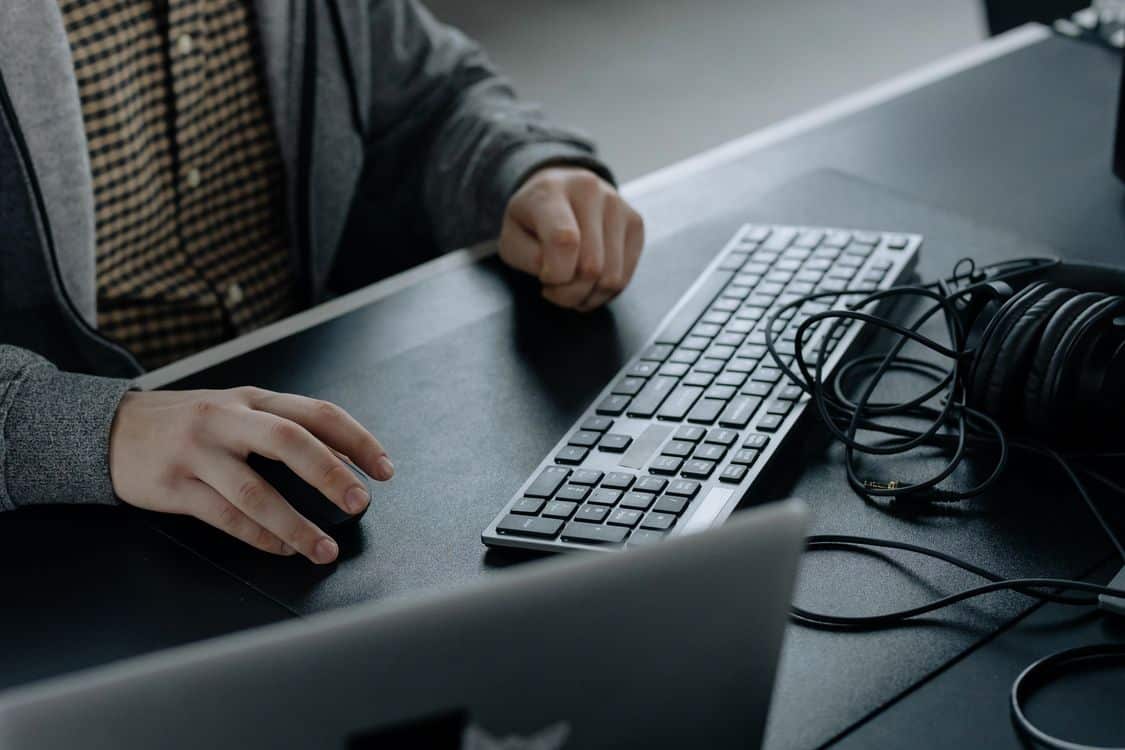
The surfaces that matter most are the high-touch ones, the objects that hands contact constantly throughout the day. At a desk, that means the keyboard, the mouse, and the surface they sit on, all of which see near-continuous skin contact.
A fabric desk mat is a particularly easy thing to overlook in all this. People will wipe a keyboard or a phone during cold season but rarely think to clean the pad their hands rest on for eight hours straight.
That blind spot matters more during a severe respiratory season, when the volume of pathogens circulating through a workspace is higher and the consequences of an unaddressed reservoir of germs are steeper.
Cleaning the Desk as Basic Illness Hygiene
The standard advice during flu season focuses on hands and shared equipment, and rightly so. But the personal workspace deserves a place on that list, because it is where a person spends the most concentrated contact time of the entire day.
Wiping down the high-touch surfaces of a desk regularly during a bad season is a small habit with an outsized return. It costs a minute and reduces the chance that a desk becomes a reservoir that re-infects its owner or their household.
For the soft surfaces that resist a quick wipe, a washable one makes the difference between a cleanable workspace and a permanent germ trap. Being able to actually launder the surface the hands live on turns it from a blind spot into a manageable part of the routine.
The behavioral problem underneath all of this is that workplace culture often rewards showing up sick. Employees who drag themselves in are seen as dedicated, and the ones who stay home worry about appearing replaceable. That incentive structure all but guarantees that sick people keep contaminating shared spaces.
Individuals cannot fix that culture on their own, but they can control their own corner of it. Keeping a personal workspace clean during a bad season is one of the few germ-related variables fully within a single person’s power, regardless of what colleagues choose to do.
That is part of why the desk surface is worth singling out. Hand-washing depends on discipline repeated dozens of times a day, and shared-surface cleaning depends on everyone cooperating. Cleaning the surface your own hands rest on all day is entirely up to you, and it covers the spot you contact more than almost any other.
The home setup deserves the same scrutiny as the office one, especially for anyone splitting their week between the two. A household where one person gets sick tends to pass it around precisely because the shared and personal surfaces never get reset between rounds, and the desk is one of the easiest of those surfaces to overlook.
The deeper shift worth making is to treat the personal desk as part of illness hygiene rather than as someone else’s job or a once-a-year deep clean. A rough respiratory season is the natural prompt. The hands spend more time on the desk surface than on almost anything else in the day, and during the weeks when illness is tearing through workplaces, that is exactly the surface worth keeping clean.