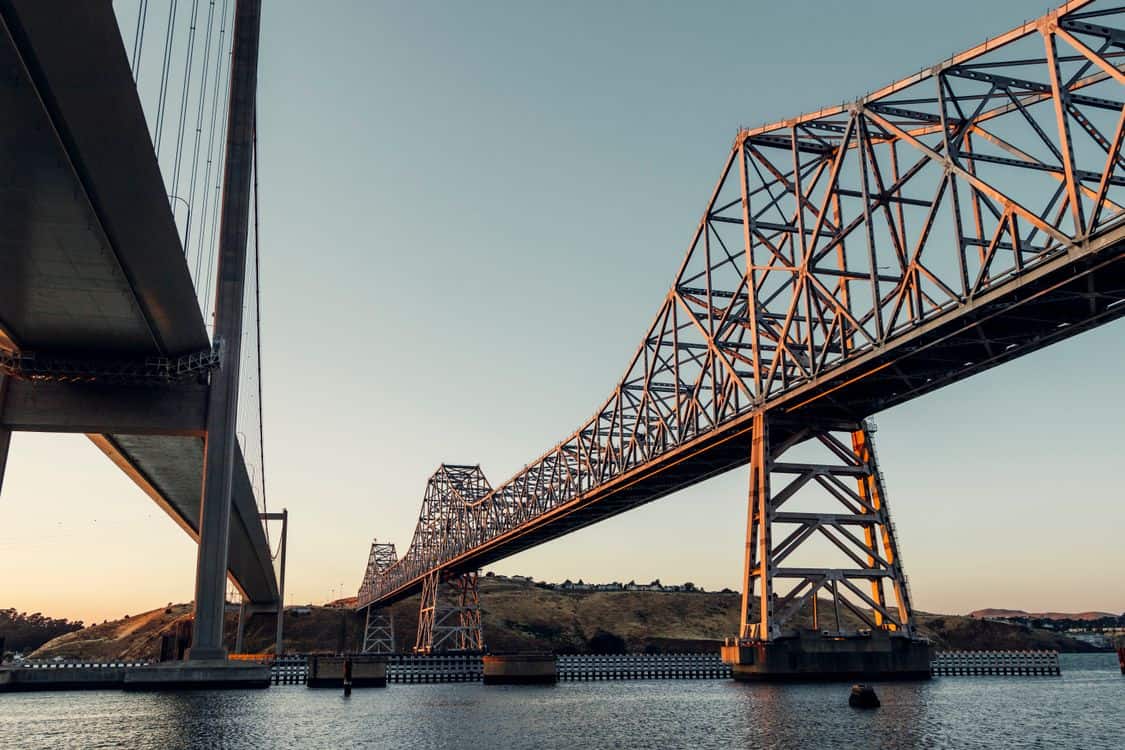

America is in the middle of a bridge-fixing decade. Federal money is flowing, state transportation departments are letting projects, and contractors are being told the next few years will be some of the busiest on record. Every one of those projects is, at heart, a steel order waiting to happen.
The grade that fills most of those orders is the family of structural steel written specifically for bridges, and the scale of the need is enormous.
The backlog is the story
The condition of the national bridge network is sobering. By the latest count, 1 out of 3 U.S. bridges still needs to be repaired or replaced, even as the share rated in poor condition slowly improves.
That works out to hundreds of thousands of structures, with tens of thousands sitting in poor condition and carrying traffic every day. The repair bill runs into the hundreds of billions of dollars.
The 2021 federal infrastructure law created a dedicated bridge formula program to attack that backlog, and states have been steadily committing those funds to projects. As of mid-2025, a little over half of the available formula money had been committed.
That leaves a long runway of work still to be funded and built. For the construction sector, and for the steel supply chain behind it, that backlog reads as years of demand.
Why bridges get their own steel specification
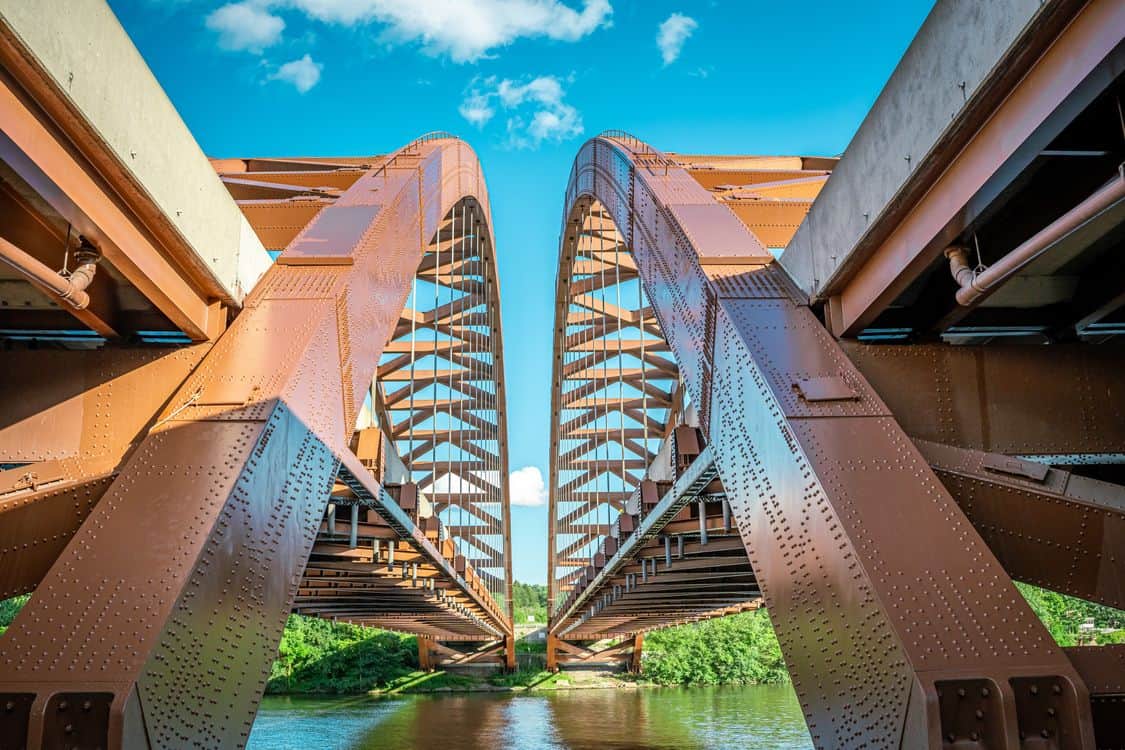
Bridge steel is not just structural steel that happens to end up on a bridge. It is held to a higher standard, because the consequences of a bridge failing are categorically different from those of a beam in a warehouse.
That is why bridges are built to a dedicated specification. A grade like ASTM A709 covers structural steel made specifically for bridges, with mandatory toughness requirements that ordinary structural grades do not have to meet.
The toughness requirement is the key difference. Bridges carry cyclic loads, sit outdoors through temperature extremes, and have to resist brittle fracture, so the steel must demonstrate impact resistance at low temperatures.
The specification is also a family rather than a single grade. It spans standard structural strength levels, weathering versions that resist corrosion without paint, and high-performance grades engineered for the most demanding spans.
That range lets a bridge designer pick the right balance of strength, toughness, and corrosion resistance for a given structure, all under one umbrella specification written for the job.
What the wave means for steel suppliers
For anyone supplying plate into bridge work, this is one of the more dependable demand stories in the market.
Public infrastructure spending is planned years in advance and insulated from the swings that buffet private construction. A funded bridge program is a demand signal a supplier can actually plan around.
It is also demanding work. Bridge steel comes with strict certification, toughness testing, and traceability requirements, and the fabricators who win this work need suppliers who can deliver fully documented, specification-compliant plate without drama.
That favors suppliers who understand the bridge specification family and can support the right grade selection, whether a project calls for a standard strength level, a weathering grade, or a high-performance steel.
The bridge backlog did not appear overnight, and it will not clear overnight either. For the better part of a decade, replacing and rehabilitating America’s bridges will keep calling for the structural steel written specifically to hold them up.