
Most shoppers never think about where their desk accessories are made until the price moves. In 2026, the price is moving, and the cause is sitting in trade policy rather than anything happening on a factory floor.
New and proposed tariffs on imported electronics have rippled across the entire gaming-accessory category, which is unusually exposed because so much of it is manufactured in Asia and shipped into Western markets. When duties rise, that whole supply chain feels it.
The category is large enough that the disruption matters. One industry analysis pegged the gaming accessories market at growing toward $23.14 billion by 2031, and a market that big does not absorb sudden cost shocks quietly.
Why Peripherals Sit in the Blast Radius
Headsets, controllers, keyboards, and the surfaces that go under them share a manufacturing geography. Production has clustered in a handful of regions for decades because that is where the materials, the tooling, and the expertise live.
That concentration is efficient until trade policy turns it into a liability. A tariff applied at the border lands on the importer first, but it rarely stops there. It works its way toward the shelf price, sometimes quickly and sometimes after a brand has exhausted its ability to eat the cost.
Some brands respond by rerouting production to tariff-free regions, which sounds clean on paper but adds logistical complexity and inventory risk. Others have simply pulled back from certain markets rather than ship at a loss, which thins out the available options for shoppers.
The net effect for a consumer is fewer choices at the lower end and steady upward pressure on what remains. The cheapest imported gear is the most fragile in this environment because its margins were thinnest to begin with.
The Quiet Case for Buying the Durable Option
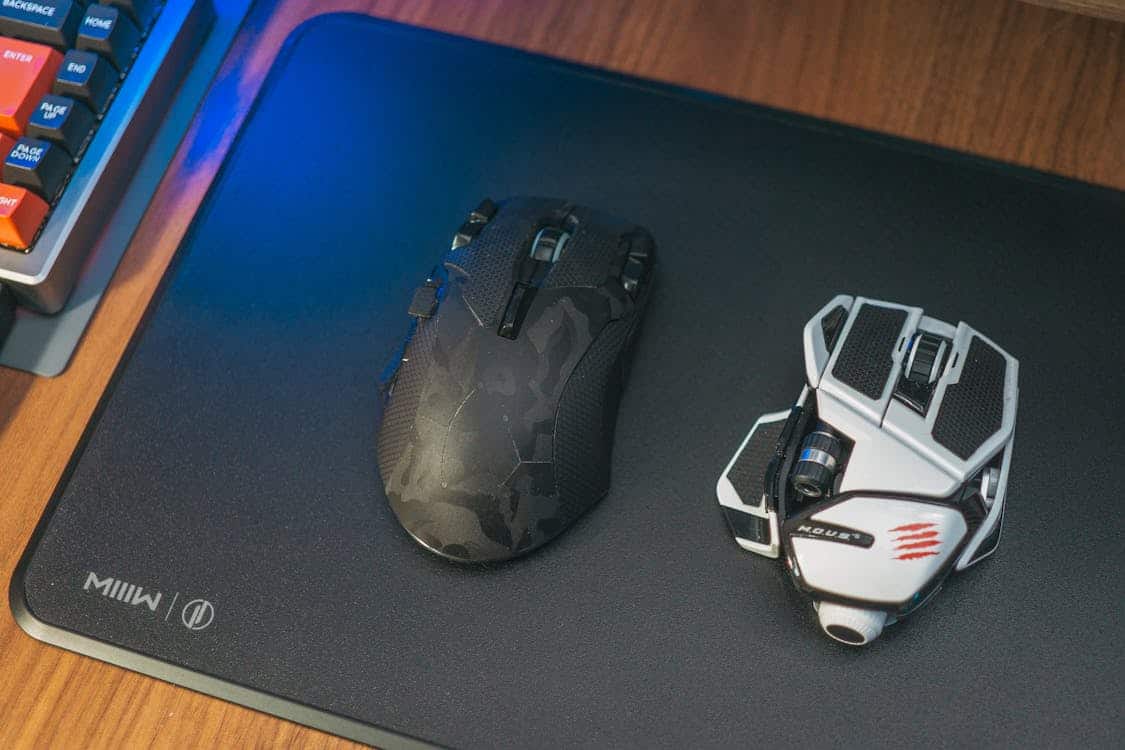
There is a counterintuitive consequence to rising prices on disposable accessories. When the cheapest version of something stops being quite so cheap, the durable version starts to look like the better deal.
A flimsy desk mat that frays at the edges within a year was only ever attractive because it was nearly free. Strip away the rock-bottom pricing, and the calculation changes. Paying a little more for something with stitched edges and a base that survives repeated use begins to make plain financial sense.
This is the kind of market shift that quietly rewards quality. Inflationary pressure on imports pushes shoppers to think in terms of cost per year rather than cost at checkout, and a well-built surface that lasts several years wins that comparison easily.
It also nudges buyers toward items they will not need to replace on someone else’s schedule. A product you choose deliberately and keep for years is insulated from the annual churn that tariffs make more expensive.
How to Shop Through the Disruption
For anyone planning a desk upgrade this year, the practical advice is to separate the volatile purchases from the stable ones. The volatile items are the ones packed with electronics and tariff-exposed components, where prices may keep drifting upward.
The stable, sensible purchases are the simple, durable pieces of the setup that you buy once and keep. A desk mat falls squarely into that second group, especially if it is built to outlast the trend cycle rather than the warranty period.
It is also worth paying attention to where and how a product is made and supported, because the brands navigating the disruption thoughtfully tend to be the ones that hold pricing steady rather than chasing the lowest possible cost into a quality cliff.
Retailers have already started adjusting their assortments in response. The deep bench of ultra-cheap imported options that used to fill the bottom of the category is thinning, as the margins that made those products viable evaporate under added duties. What remains skews toward mid and upper tiers where there is enough room to absorb some volatility.
Trade policy will keep doing what trade policy does, and forecasting the next move is a fool’s errand. What a shopper can control is buying the parts of a setup that do not need replacing, choosing them well, and ignoring the temptation to keep rebuying the cheapest version of something that was never built to last. In a market under cost pressure, durability is no longer just a preference. It is a hedge against an environment where the cheap option keeps getting more expensive and less reliable at the same time.